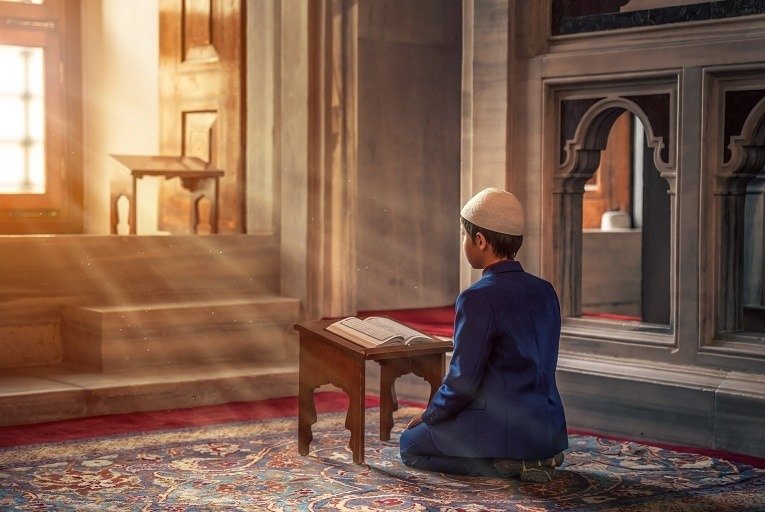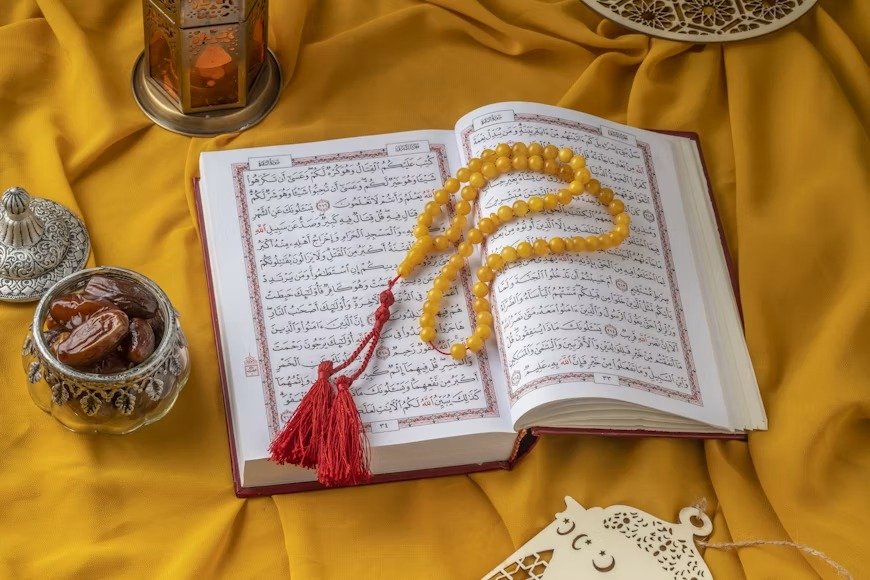


The Five Pillars of Islam serve as the foundation of a Muslim’s faith and daily life. Among these pillars, Salah (Prayer) and Saum (Fasting) play pivotal, transformative roles in building an individual’s spiritual character, physical well-being, and social harmony.
This document explores the spiritual significance, Quranic injunctions, Hadith references, individual benefits, and collective societal impacts of both Salah and Saum, following a structured analysis based on traditional Islamic teachings.
Part 1: Salah (Prayer) — The Foundation of Faith
1. Introduction to Salah
Prayer (Salah or Namaz) is the cornerstone of a believer’s daily routine. While all previous Prophets had forms of prayer prescribed for their followers—such as Prophet Daud, whose praise creation joined in—Prophet Muhammad (PBUH) perfected the institution of Salah for humanity.
In Islamic jurisprudence, Salah is categorized into five distinct types:
- Farz: Obligatory prayers.
- Wajib: Necessary prayers.
- Sunnah Mu’akkidah: Emphasized regular traditions of the Prophet (PBUH).
- Sunnah Ghair Mu’akkidah: Non-emphasized traditions.
- Nawafil (Nafil): Voluntary or supererogatory prayers.
Linguistically, the word Salah stems from Arabic roots such as “Swalaat” and “Tasliat”, meaning to pray or supplicate. In Islamic terminology, it denotes the specific, structured act of worship taught by God through His Apostle to connect man directly with his Creator. Salah is commanded in the Holy Quran over 700 times, underscoring its absolute necessity.
“Recite what is sent of the Book by inspiration to thee, and establish regular Prayer: for Prayer restrains from shameful and unjust deeds…”
— Surah Al-Ankaboot (29:45)
When the Holy Prophet (PBUH) was asked what act Allah loves most, he replied: “The thing that Allah (SWT) loves most is when His people pray Salah on time.”
2. Salah in the Light of Quran and Ahadith
Quranic Injunctions:
- Purpose of Creation: “And I (Allah) created not the jinn and mankind except that they should worship Me (Alone).” (Surah Adh-Dhariyat 51:56)
- Inner Peace: “For without doubt in the remembrance of Allah do hearts find satisfaction.” (Surah Ar-Rad 13:28)
- Seeking Help: “Seek God’s help through patience and prayer.” (Surah Al-Baqrah 2:45, 2:153)
- Moral Defense: “Salah prevents man from evil and lewdness.” (Surah Al-Ankaboot 29:45)
Hadith Guidance:
- Spiritual Purification: The Prophet (PBUH) likened the five daily prayers to a river flowing outside one’s door: “Do you think that if there was a river by the door of any one of you, and he bathed in it five times each day, would there be any trace of dirt left on him?” The companions replied no, to which he said, “That is the likeness of the five daily prayers. By means of them, Allah erases sins.”
- Pillar of Religion: The Prophet (PBUH) stated: “Salat is the pillar of Deen and the foundation of Islam. He who upholds salat has upheld Islam and he who leaves salat has left behind religion.”
- The Distinction: “Verily, it is prayer which separates man and disbelief to polytheism.”
- Ultimate Elevation: “Prayer is Miraj for the believer.”
3. Significance and Benefits of Salah
Personal and Individual Benefits:
- Guaranteed Purification: Erases daily missteps and builds a defensive shield against moral decay.
- Reminds Us of Life’s Purpose: Keeps man aligned with his true objective rather than becoming lost in material pursuits.
- Brings Peace to Hearts: True solace cannot be bought with wealth; it is attained when standing before the Creator.
- Sense of Obligation and Discipline: Instills accountability and prevents flippancy in life.
- Character Building and Patience: Bowing in humility teaches gentleness, self-restraint, and fortitude during trials.
- Cleanliness and Punctuality: Since cleanliness is half of faith, performing Wudu (ablution) five times a day ensures physical hygiene and strictly enforces time management.
Collective and Social Benefits:
- Provides a Social Platform: Congregational prayers allow community members to gather, discuss general welfare, and address economic or social concerns.
- Fosters Unity and Cooperation: Mosques serve as common grounds where believers meet regularly regardless of socioeconomic status, fostering mutual care.
- A Lesson in Democracy and Equality: In congregational prayer, rich and poor stand shoulder-to-shoulder in rows. The front row belongs to whoever arrives first.
- Establishes Leadership Principles: Prayer requires following an Imam chosen for knowledge and piety, teaching respect for leadership (Ameer) in social life.
Part 2: Saum / Roza (Fasting) — Self-Mastery & Empathy
1. Introduction and Necessity of Fasting
Fasting (Saum or Roza) in the holy month of Ramadan is the fourth pillar of Islam. Historically, fasting was prescribed for all previous nations and prophets—including Hazrat Adam (A.S.), Moses (A.S.), and Jesus (A.S.)—to cultivate piety and discipline.
“O ye who believe, fasting is prescribed for you, even as it was prescribed before you, that ye may ward off evil.”
— Surah Al-Baqarah (2:183)
Linguistically, Saum means “to abstain” or “stand still”. In Islamic law, it refers to complete abstinence from food, drink, and intimate relations from dawn (Fajr) until sunset (Maghrib), performed with deliberate intention.
2. Categories of Fasting
Jurisprudence classifies fasting into distinct categories:
- Obligatory (Farz) Fasting: Ramadan fasts, makeup fasts (Qaza), and vow (Nazar) fasts.
- Forbidden (Makrouh/Haram) Fasting: Fasting on Eid al-Fitr, Eid al-Adha, or fasts that deliberately harm health.
- Disapproved Fasting: Unspecified fasts on days like Ashura without accompanying days, or fasting without a host’s permission.
- Recommended (Mustahabb) Fasting: Voluntary fasts throughout the year, such as Mondays and Thursdays or the six days of Shawwal.
Body Fast versus Soul Fast:
- Body Fast: Abstaining merely from food and drink, accessible to most people.
- Soul Fast: Restraining all senses—eyes, ears, tongue, and mind—from sin, achieving true spiritual vigilance.
3. Comprehensive Benefits of Fasting
Individual and Spiritual Benefits:
- Attainment of Taqwa (God-Consciousness): Trains humans to control natural instincts rather than being controlled by them.
- Strengthening Faith and Will: Builds psychological endurance and optimism through devotion.
- Human Dignity and Humility: Curbs arrogance and trains the ego to submit to God’s command.
- Sense of Responsibility: Because fasting is an act between the individual and God with no human overseer, it instills deep honesty and self-monitoring.
Medical and Physical Benefits:
- Facilitates weight management and metabolic health.
- Lowers cholesterol and regulates blood pressure.
- Aids in breaking harmful habits, such as smoking or overeating.
- Promotes cellular repair, detoxifies tissues, and improves digestion.
- Reduces nervous tension and mental fatigue.
Collective and Societal Impact:
- Creates Sympathy for the Less Fortunate: By experiencing real hunger and thirst, the wealthy directly feel the plight of the poor, encouraging charity (Zakat and Sadaqah).
- An Institution of Equality: Rich, poor, ruler, and subject fast during the same hours, eradicating class distinctions.
- Global Unity of the Ummah: Millions across the globe share the exact same spiritual routine, binding the Muslim world into a single cohesive community.
Conclusion
Both Salah and Saum serve as divine mechanisms designed to uplift human life. While Salah keeps the believer connected to God five times a day through physical and mental devotion, Saum acts as an annual intensive retreat that purifies the soul, trains the appetite, and awakens social conscience.